AVOICE Programme (Adolescent Voice and Opportunity for Inclusive Change and Empowerment) is a three-year programme (2026–2029) implemented in rural Odisha, India, by Living Farms in partnership with Action Child Aid.
The programme empowers 14.000 adolescent girls and boys in 400 villages in Odisha, India, to lead healthier lives, challenge harmful gender norms, and participate in community decision-making. Through peer groups, participatory learning, and adolescent-led advocacy, it builds knowledge, confidence, and leadership while strengthening links to health services and accountability mechanisms. Frontline workers are trained to deliver more responsive services, and community members and governance actors are engaged to support sustained norm change. Implemented by Living Farms with strategic support from Action Child Aid (Denmark), the programme builds on the results and learnings of the ACEH project, scaling proven approaches for long-term, community-driven change. The programme targets over 137.000 individuals, including adolescents, frontline workers, and community members, and applies a rights-based, gender-transformative approach to create lasting, community-driven change.
The programme aims to empower adolescent girls and boys in rural Odisha through participatory learning and community-building activities to improve their health and nutrition, challenge harmful gender norms, and participate meaningfully in community decision-making. It promotes adolescent-led change by strengthening their knowledge, voice, and leadership while addressing gaps in health service delivery and awareness.
Adolescents in the target area face limited opportunities to participate in community life, make decisions about their health and well-being, and challenge social norms that restrict their choices. Existing community structures and harmful gender norms often exclude young people, while poor knowledge of health and limited access to health services and nutritious foods lead to high rates of anaemia, early pregnancies, and untreated infections, reducing adolescents’ energy and level of engagement. As a result, adolescents’ voices are not being represented in decisions that affect them, undermining adolescent well-being and rights.
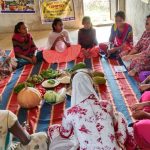
The programme addresses these challenges by empowering adolescents to become active participants in shaping their lives and communities. Through participatory learning and peer groups, the programme creates safe spaces for adolescents to build health knowledge, confidence, leadership, and critical awareness. The peer groups foster motivation and reflection, enabling adolescents to identify and challenge harmful norms and take collective action. The groups function as platforms for learning, mutual support, and action, encouraging adolescents to seek services, adopt healthy behaviours, and engage their families and communities in discussions about rights, gender, and well-being. The programme also aims to strengthen the capacity of frontline workers to deliver participatory and adolescent-responsive services, while building stronger links between communities and governance systems to improve service delivery and accountability.